
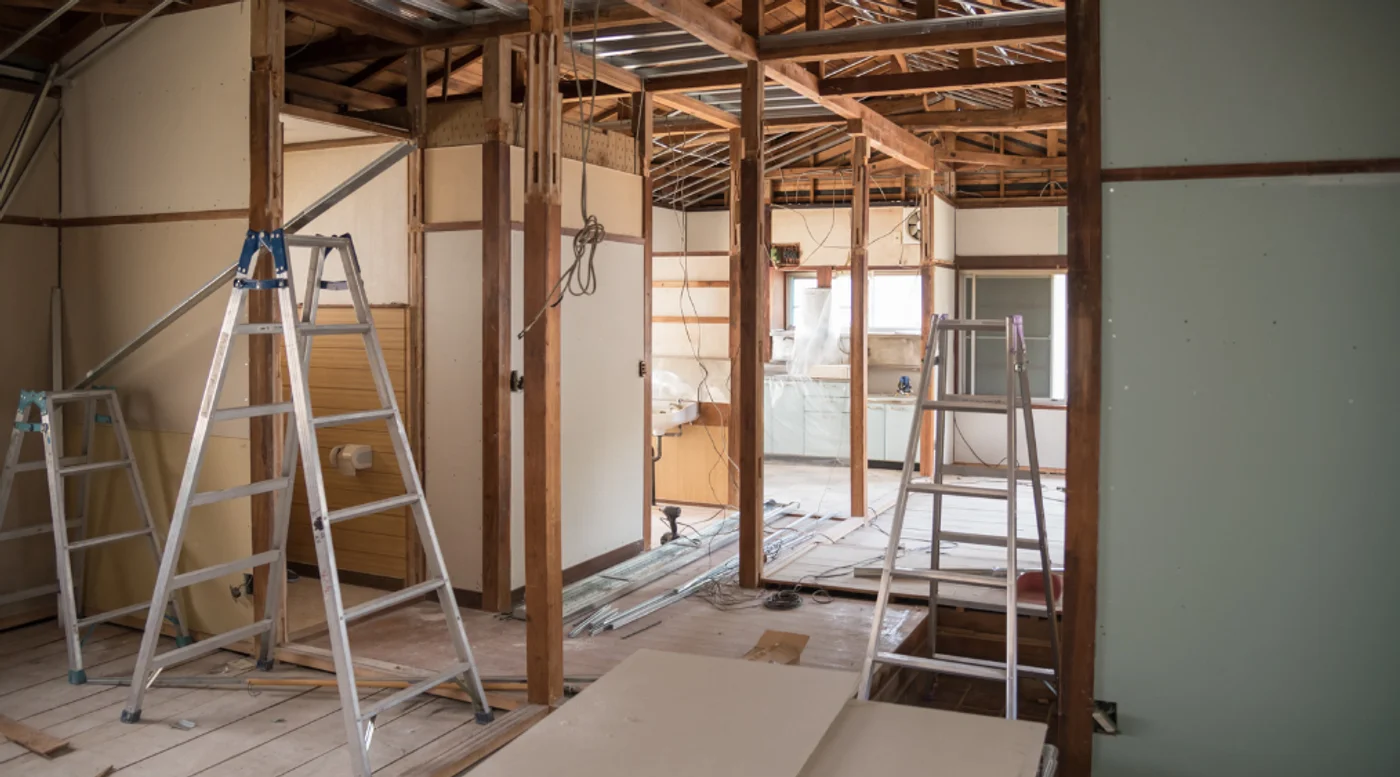
With renovations and subdivisions, the finance strategy needs to match the end goal. A lender will look quite differently at someone improving their long-term home versus someone undertaking a project specifically to sell for profit.
Collaboration with Finance Broker | Alexis Halsted & Emma Oliver | Beagl Buyer’s Agent
If I want to subdivide a property, does the bank lend based on what it's worth now or what it could be worth later?
It depends on what you are doing and how the loan is structured.
If the site is not subdivided (or does not have approval) at the time of application, then it may be valued as multiple units on one title (assuming clients are constructing units on the property).
If you are borrowing against the property before you've started the project, the lender will usually utilize the current value of the property. However, if you have plans and specifications, approvals, or a fixed-price building contract, it may be considered on an "on completion" valuation.
With a subdivision, the lender will want to understand exactly what's being proposed, including whether you're retaining or demolishing the existing dwelling, creating vacant lots, building additional dwellings, and whether any of the lots will be sold. That can influence the lender and even whether the proposal is treated as ordinary residential lending or a development.
Depending on the number of units being built and whether you are planning to retain or sell them, this will determine if it will be residential lending or development funding.
What's the best way to finance a renovate-and-sell project vs. a renovate-and-keep project?
This may depend on what the renovations entail and whether they are structural or non-structural renovations.
For a renovate-and-keep project, if there's already sufficient equity in the property, one of the simplest options may be to access equity against the current property value. However, for a major structural renovation, a construction facility may be more appropriate. The lender will release funds progressively as stages are completed, rather than providing the entire amount upfront.
For a renovate-and-sell, the lender needs to be comfortable with the purpose of the borrowing and the proposed exit strategy. If this is an investment property, rental income will not be able to be used for demonstrating servicing.
Again, depending on the size, frequency, and nature of the project, this may be considered development finance rather than a normal residential renovation loan.
You should also consider expected conservative sale prices, selling costs, purchase costs, renovation costs, interest and holding costs, contingencies, and tax implications.
What should I tell my broker upfront if I'm planning to renovate or subdivide, so there are no surprises?
Tell them everything you know about the proposed end result, even if it's only an idea at that stage. In particular: what you want to do, your approximate budget, whether the work is structural, whether you're using a registered builder or doing some work yourself, whether planning/building approval is required, whether you're subdividing, how many lots or dwellings you expect to create, whether you'll sell or retain them, and how much cash you're prepared to contribute.
Changing the scope midway through a project can affect the valuation and finance. If you eventually want to split the block and sell the rear lot, it's best to let your broker know upfront.
Do banks put time constraints on the renovation or subdivision?
Yes, they can, particularly with a construction facility. The exact timeframe varies by lender and product, but they may have restrictions on construction starting within a specific timeframe or being completed within say 12 or 24 months.
A simple equity release for cosmetic renovations may work differently because it isn't necessarily being administered as a construction loan.
With subdivisions, it is important to plan ahead as council approvals, demolition, construction, and the creation of new titles can all affect timing, so it's best to check the proposed timeline against the particular lender's policy before committing to the project.
Is there a risk of spending too much on a renovation for the area?
Absolutely. The amount you spend and the value you add are not necessarily the same thing.
You could spend $250,000 renovating a property without increasing its market value by $250,000. The valuer will be considering what a buyer is likely to pay for the finished property in that area using comparable sales and other valuation evidence, and not simply adding your renovation invoices to the property's original value.
With a loan, the lender may use valuations and inspections throughout the project, and cost overruns may have to be covered from your own money.
Before doing a substantial renovation, obtain a realistic idea of the property's current value, renovation cost, and likely completed value. For a renovate-and-sell project, ensure you have a healthy contingency and conservative selling price rather than relying on the best-case scenario (for example, if the finished property sells for less than you expected).
More posted to beagl instagram.

Speak to your broker before you start spending money or signing building contracts. There can be several ways to fund the same project, and knowing from day one whether you're renovating, subdividing, keeping or selling can make a significant difference to how the finance should be structured